
|
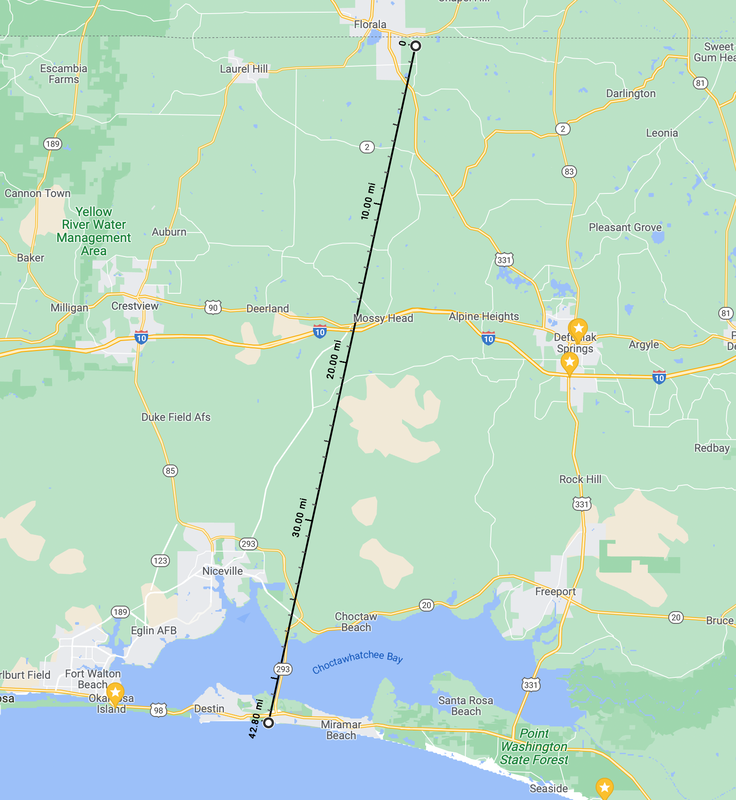
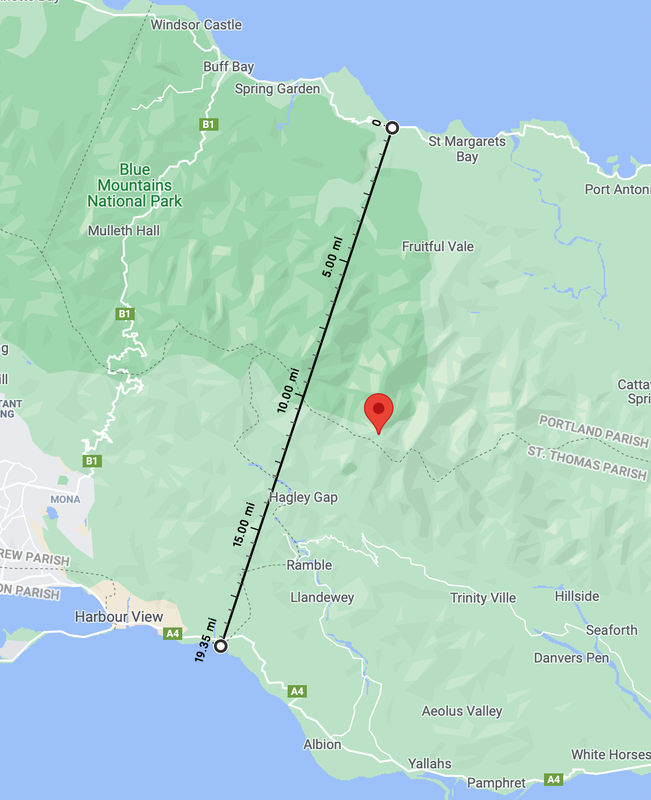
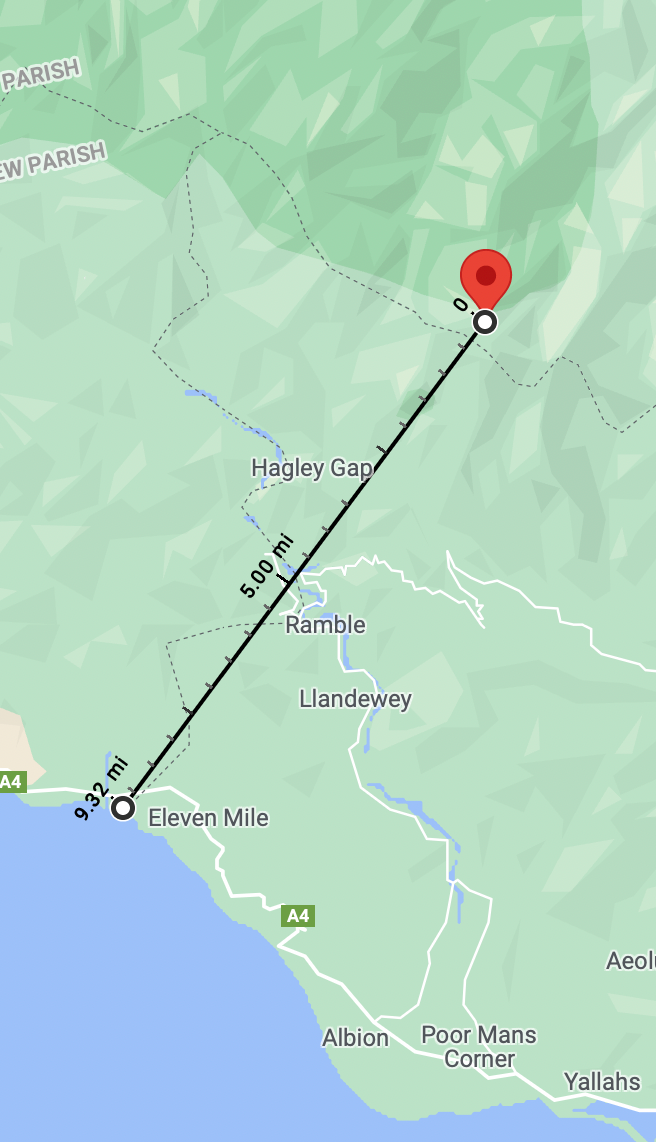
Most years, we take a family vacation to the Alabama or Florida Gulf Coast. We see many beaches, a lot of ditches, some swamps, but the land is very flat yet there is little flooding after hard rains. The highest point in Florida is Britton Hill, which is 345 ft above sea level. Britton Hill is about 2 mi, southeast of Florala, AL. The straight line distance from Britton Hill, to the nearest beach (Destin area), is over 42 miles. Also, the soil in much of Florida and the Alabama Gulf Coast is very sanding and water settles into it very easily. Jamaica does have some sandy beaches, but much of the soil in Jamaica is a very thick clay-like soil. It is also much more tropical with a lot more vegetation which changes the soil. I can remember many times walking in Jamaica after a rain and you get up to an inch or so taller as layers of mud clings to your shoes. I also say only an inch or so taller because any more and I was sure to slip and fall. (Yes, I have done this many times). Jamaica's highest point is Blue Mountain Peak, at 7,401 ft at a place where the North to South breadth of the island is only 20 miles. From Blue Mountain Peak to the nearest beach (sea level) is 9.5 miles at a place called Bulls Bay. We travel through Bulls Bay coming from the airport. The average rainfall on the northern and eastern slopes of the Blue Mountains is over 200 inches per year. When a hurricane or tropical storm is near this part of the island, the mountains cause the uplift of the clouds and greatly intensifies the rain even on the southern and western sides. We would suspect rain then would exceed 20 inches per day. That rain has to run downhill 7,401 ft. in a space of approximately 9.5 miles. With that, you get tremendous flooding, landslides, and erosion. (*Note - click on images below to enlarge and for captions)
0 Comments
Your comment will be posted after it is approved.
Leave a Reply. |
AuthorDonnie Cantley. By the Grace of God, I have been allowed to lead this mission since 1996. Archives
April 2024
Categories
All
|
 RSS Feed